
Last updated October 16, 2026
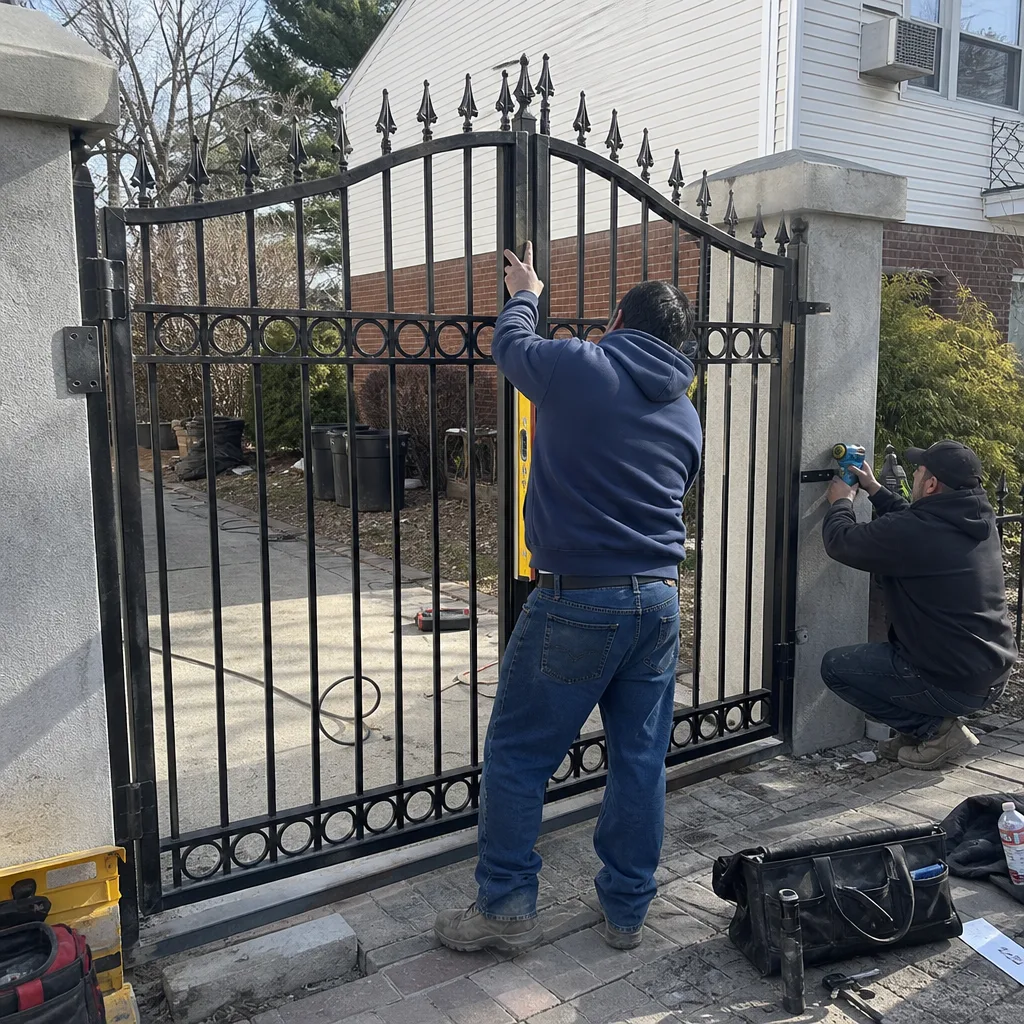
 Wrought iron
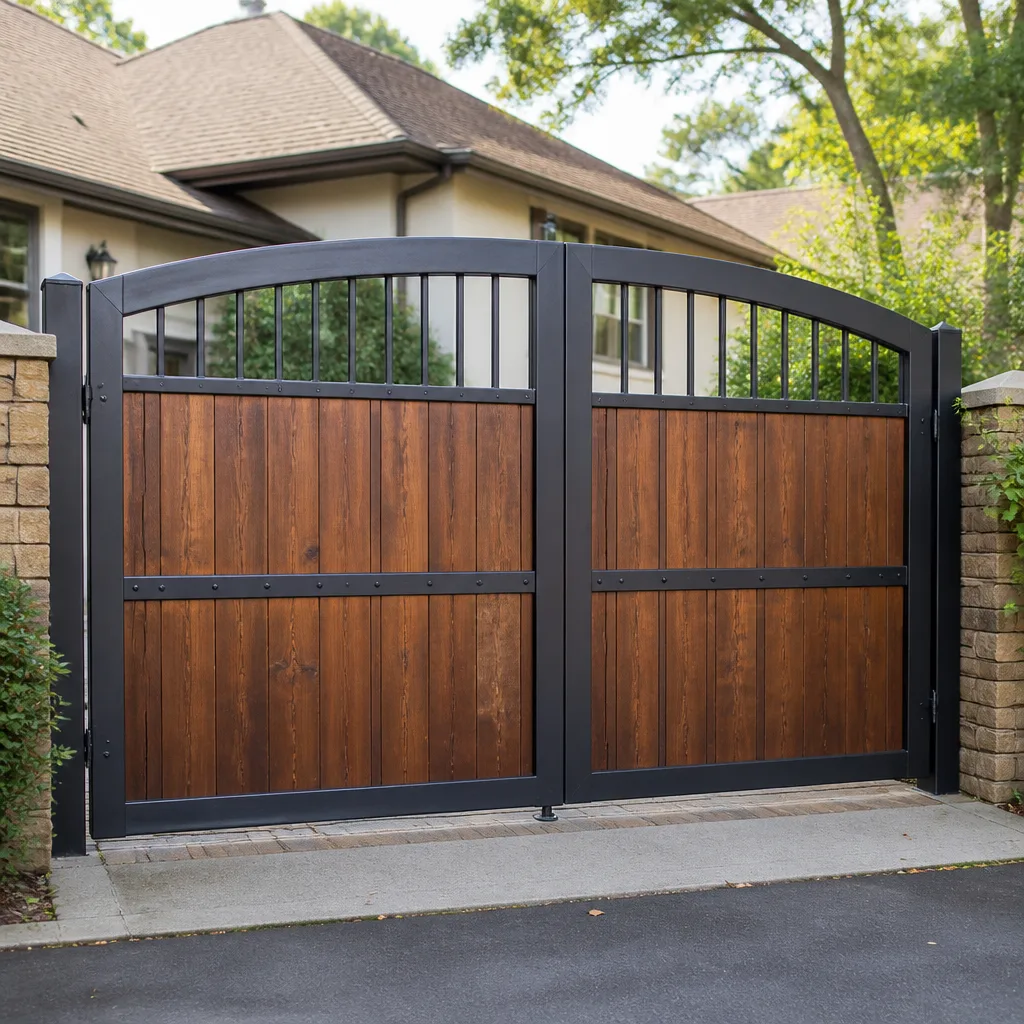 Wood & steel frame
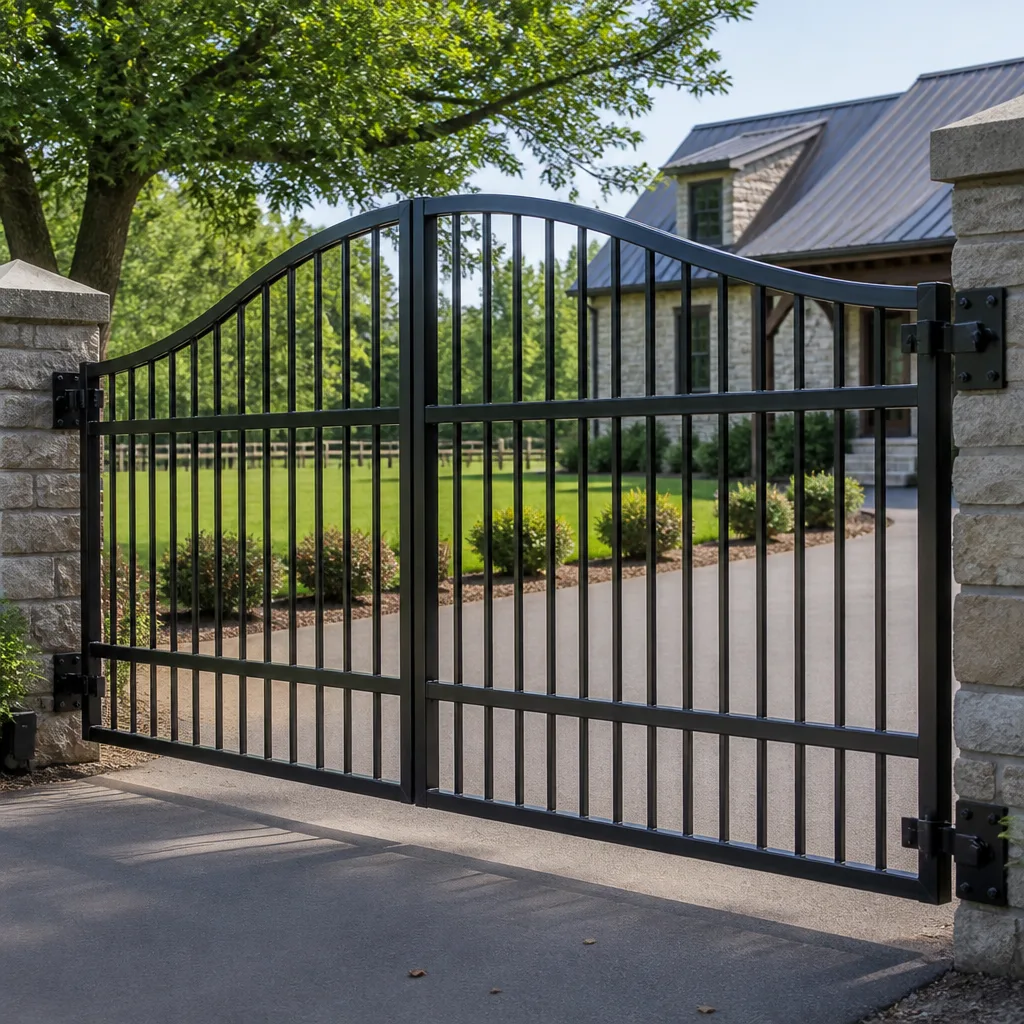 Farm & ranch
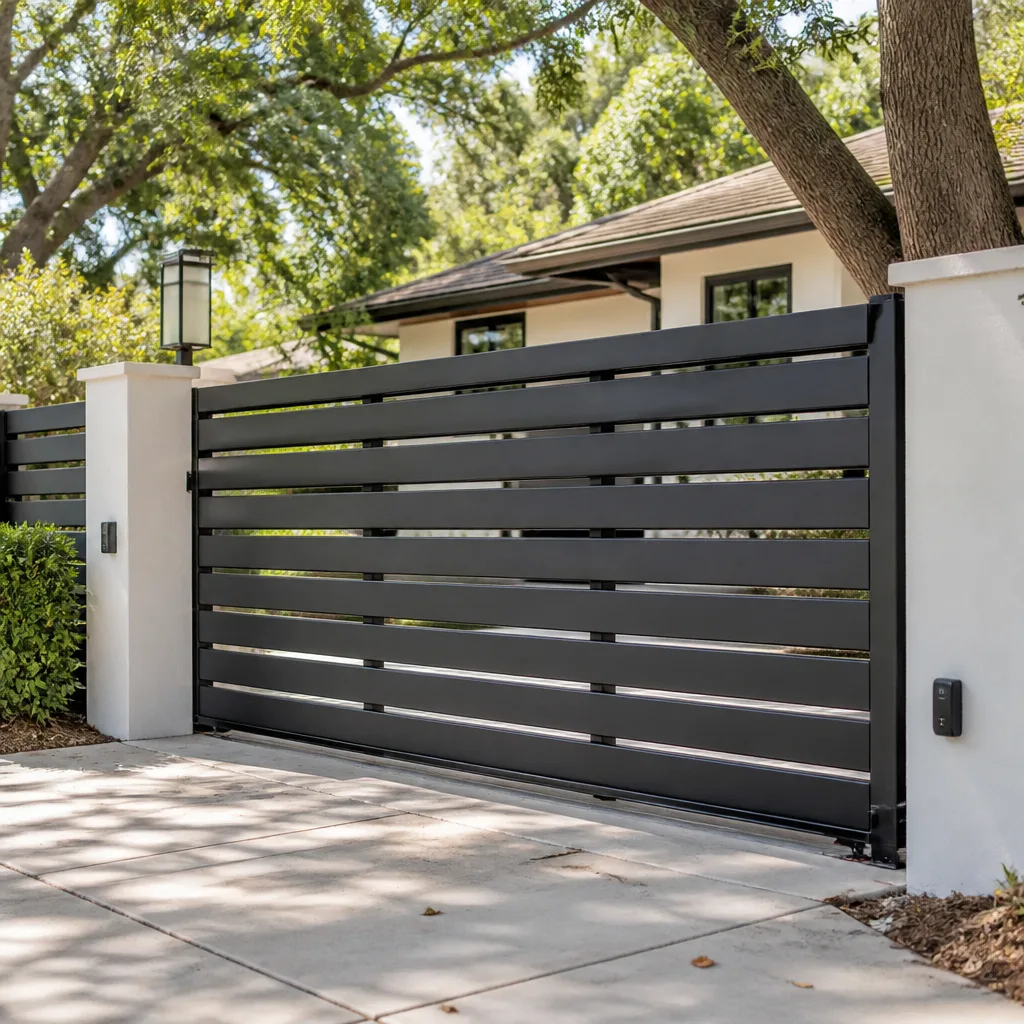 Sliding driveway gates
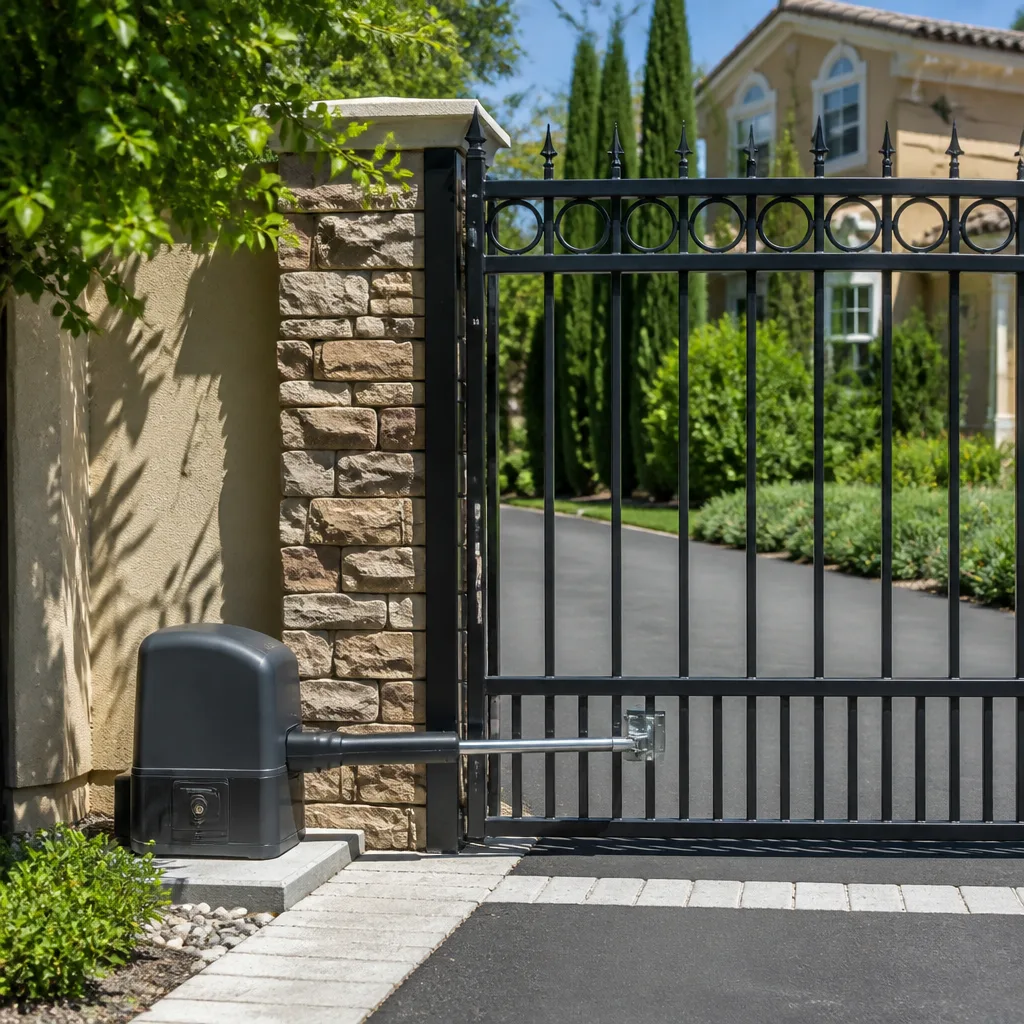 LiftMaster operators
Free on-site gate assessment - hinges, posts, and your LiftMaster or Nice gate operator checked before anything is quoted
The assessment is free and the quote is the invoice.
Get your free estimateSeasonal Gate Repair Care for New York: Year-Round Homeowner’s Guide
Here’s a counterintuitive fact most New York homeowners learn the hard way: the hottest week of July is the worst time to lubricate your gate’s drive chain. Heat thins the lubricant, flings it off the sprockets, and leaves the chain running metal-on-metal by Labor Day. Yet summer is exactly when people think to do it, because that’s when the gate is swinging open a dozen times a day and every creak is audible from the kitchen window. The Complete Guide to Gate Repair in New York walks you through what actually wears out, when it wears out, and what to do about it in each season, so your gate lasts twenty years instead of failing every other January. We’re writing this from our shop in New York, where freeze-thaw cycles, salt runoff, and August humidity each attack a different part of the gate. By the end, you’ll know which component to check this month, what it costs to fix if it’s already too far gone, and the three things you should never do to a gate you want to keep.
Styles & brands we work with
Quick Answer
Seasonal gate care in New York means addressing the right component at the right time: hinges and posts in winter’s freeze-thaw cycles, motors and circuit boards in summer heat, coatings and fasteners during spring salt-runoff season, and wood or metal swelling through humid August. Most New York gate failures are seasonal stress concentrated on one neglected part, and a free 20-minute check each season prevents the majority of Gate Repair services calls we see.
Table of Contents
- Winter: Freeze Cycles and the Hinges That Bear Them
- Spring: Salt Runoff, Surface Coatings, and Fastener Damage
- Summer: Motor Heat, Humidity, and the Wood vs. Metal Problem
- Fall: The Pre-Winter Prep Sequence, in the Order a Technician Does It
- After a Snow or Ice Storm: The 20-Minute Check That Prevents Motor Burnout
- When Seasonal Wear Crosses Into Structural Damage
- Common Mistakes to Avoid
- When to Call a Professional
- Frequently Asked Questions
- The Bottom Line
Winter: Freeze Cycles and the Hinges That Bear Them
Winter in New York does something specific to gates, and it’s not the cold itself. It’s the cycling. Water works its way into hinge pins, post caps, and the gap between post and concrete footing. During the day it thaws. At night it refreezes and expands by about nine percent. That expansion acts like a hydraulic jack, forcing hinge pins upward, cracking post caps, and slowly walking the entire gate leaf out of alignment. By February, a gate that swung cleanly in October drags against the latch post, or the hinges squeal, or the operator starts laboring because it’s pushing a gate that no longer hangs true.
What you’re checking in winter: hinge pins for lift, hinges for rust bloom, the post caps for hairline cracks, and the latch alignment. You don’t need to be a welder or a gate technician to catch this. Push the gate open about thirty degrees and watch the hinge line. If the gate shifts vertically or the gap between leaf and post changes as it moves, the hinges are wearing and the freeze-thaw cycle is accelerating the damage.
We recommend a specific seasonal response for New York winters. First, clear snow and ice from the gate’s travel arc after every storm, ideally within a few hours, not days. An ice dam at the base of the gate forces the operator to push against resistance. Operators are not designed to push against anything; they’re designed to move a balanced, freely-swinging gate. Forcing it against ice burns the motor, strips the gear, or trips the breaker repeatedly until the board fails. Second, spray a penetrating rust inhibitor onto hinge pins once a month from December through March, but only if the gate is metal. Third, don’t force a gate open manually if it resists. Resistance in winter is nearly always ice or a shifted post, not a stuck latch. Forcing it bends brackets that cost a few hundred dollars to straighten.
We also see a run of failed capacitors and control boards during cold snaps. Electronics don’t like sustained temperatures below about fifteen degrees Fahrenheit, and a cold-soaked board can refuse to boot until it’s warmed. If your gate stops responding after a deep-cold night that follows a warm day, check whether the outlet has power and whether the operator’s diagnostic lights come on. Often the board is fine and just cold. But if it’s dead multiple times, there’s moisture intrusion or a failing capacitor, and that’s a Electric Gate Repair in New York call.
Spring: Salt Runoff, Surface Coatings, and Fastener Damage
Spring in New York looks gentle and does the opposite. The salt laid down on driveways and streets all winter ends up in the meltwater, and that meltwater splashes up onto the lower foot of your gate during every rain. Road salt is sodium chloride and sometimes calcium chloride. Both are aggressive on steel, iron, and aluminum, and both eat powder-coat finishes from the inside out once they get under a scratch or a chip. By the time you see rust staining, the coating has already failed locally and the metal underneath is actively corroding.
The spring check is a wash-down and inspection. Rinse the bottom twelve inches of the gate, the hinges, and the post bases with clean water to get the salt film off. Then inspect every fastener. Bolts on gate hinges, post brackets, operator arms, and track rollers all take a beating in winter, and the combination of salt corrosion plus freeze-thaw loosening means some of them are loose or rusting by April. A loose hinge bolt on a 400-pound gate is not a small thing; the gate’s whole weight eventually bears on fewer and fewer threads until the bolt shears.
We tell New York customers to tighten, not just inspect. Use the right tool, and don’t crank a rusted bolt until it snaps. If a bolt is rusted solid, leave it and call a technician. If your gate is painted rather than powder-coated, spring is the time to touch up chips and scratches. A four-dollar can of matching paint applied in April saves a four-hundred-dollar rust repair by October. And don’t forget the post bases. We see homeowners wash the gate leaf and ignore the posts, but the posts are where water pools and salt concentrates. Inspect the concrete collar around each post for cracks or spalling. If the post moves when you push on it, the footing has failed, and that is structural, not seasonal. More on that below.
Summer: Motor Heat, Humidity, and the Wood vs. Metal Problem
Summer is when New York gates move the most and get the least attention. Kids are home, landscapers are in and out, and the gate cycles dozens of times a day when it cycles eight times a day in January. That means the operator motor runs hot. Heat degrades motor windings, and a motor that runs hot for ten weeks straight ages faster than one that runs cool for a year. The most common summer failure we see in New York is a thermal overload kill: the operator has a built-in heat sensor that shuts the motor down when it overheats, and customers think the gate is dead when it’s actually just tripped and cooling.
Humidity matters too. New York summers bring sustained high humidity, and humid air carries moisture into every opening: the operator housing, the junction boxes, the keypad seals, and the wood fibers of a wooden gate. Metal and wood respond very differently. Metal gates grow surface condensation that accelerates rust in any bare spot; you’ll see rust appear on the gate’s interior face where sunlight doesn’t dry it off. Wooden gates absorb moisture and swell. Swelling usually warps the gate leaf or changes its geometry enough that the latch no longer engages cleanly. A wooden gate that closed perfectly in May and won’t latch in August hasn’t broken; it’s swollen. The right response is to adjust the latch, not to keep slamming it and split the stile.
The summer maintenance response depends on what your gate is made of. For metal gates, check the operator’s ventilation louvers and make sure they’re not blocked by vines, wasp nests, or accumulated leaves. We’ve pulled bird nests out of more operator housings than we can count, and a blocked vent is a slow way to kill a motor. For wooden gates, inspect the bottom edge and the hinge-side stile for soft spots, which mean rot has taken hold and the board is holding water like a sponge. Soft wood should be replaced or treated before it spreads. For all gates, summer is the correct time to lubricate the chain, the hinge pins, and the wheel or track bearings. Wait until the late evening when the metal is cool, and use a lubricant specified for gate hardware. A summer application lasts through the fall and into the winter, when you don’t want to be out there doing it.
One final summer note for New York electric gates: lightning and brownouts both kill control boards. If you’re on an overhead feed, a nearby lightning strike will induce a voltage spike that fries the board. A surge suppressor costs less than a hundred dollars installed at the operator, and it’s the cheapest insurance against the most common summer board failure we replace. If your gate runs a DoorKing, Elite, Mighty Mule, or LiftMaster operator, the board is the single most expensive component in the box, and the one most likely to fail after a storm.
Fall: The Pre-Winter Prep Sequence, in the Order a Technician Does It
Fall is the Season That Matters. Not because fall is hard on gates; it’s not. It’s because fall prep determines what winter does to your gate. Do the fall sequence right, and winter is mostly a matter of clearing snow and tightening the occasional bolt. Skip it, and winter finds the one part you ignored and breaks it on the coldest night of the year. Here is the sequence, in the order a technician would do it.
- Clean and inspect the full gate and posts. Remove leaves, debris, and any vine growth. Look for rust, cracks, weld failures, and loose fasteners. You can’t prep what you can’t see, and a gate covered in wet leaves is corroding under that mat all winter.
- Test the gate’s balance and hinge movement. Disengage the operator using the manual release, then swing the gate by hand. It should move freely and stay where you stop it, not creep open or slam shut. If it binds or drifts, the hinges or posts are developing a problem, and operating the gate all winter will compound it.
- Lubricate all moving parts. Hinge pins, chain, idler sprockets, track rollers, and the operator’s drive shaft. Use a lithium or silicone lubricant appropriate to the part. This is the last lube before spring; it needs to last through freeze-thaw and salt season.
- Inspect and clean the operator. Check the housing for gaps or broken gaskets, the vents for blockage, and the wiring connections for corrosion. Mice love operators; they nest in the housing and chew wires. If you see rodent sign, clear it and fix the entry point.
- Test the safety features. The photo eyes, the reversing edge or the safety loop, the auto-close timer, the keypad, and the remotes. Test the reversal by blocking the gate’s path with something soft and confirming it stops and reverses. A gate that won’t reverse in October will hurt someone in January when the batteries are cold and the sensor lenses are frosted.
- Check the photo-eye alignment and clean the lenses. Dirty or misaligned photo eyes are the number-one service call we get in early winter. Clean them with a dry cloth, check that they’re aimed at each other, and tighten the mounting brackets so a stiff wind can’t knock them out of alignment.
- Tighten every accessible fastener. Hinge bolts, post brackets, operator bolts, set screws on the drive arm, track clamps. Use hand tools, not an impact driver, and stop before you strip a thread. The goal is snug, not seized.
- Apply a protectant to exposed metal. If you find bare metal after cleaning, hit it with a rust converter and a cold-galvanizing spray paint or another protectant rated for exterior metal. This is your last shot before salt season begins.
We do a fall tune-up as a standard service call, and we price it with the written quote before any work starts, just like every other job. If the gate shows signs that a hinge, bracket, or drive arm is beyond a tune-up, the fall is the least-bad time to replace it. You get the part changed before the ground freezes and before you actually need the gate to work every morning. If you’re in the New York area and want a professional fall inspection, start with our Gate Repair in New York page, where you’ll find the full scope of what we check and repair.
After a Snow or Ice Storm: The 20-Minute Check That Prevents Motor Burnout
In our experience in New York, the highest concentration of operator motor failures happens in the 48 hours after a major winter storm. The cause is almost always the same thing: the gate was asked to do something it wasn’t designed to do, move against an ice dam or a snowpack. Operators have a duty cycle and a load rating, and when they push against frost-heaved ground, an inch of ice frozen across the gate’s travel arc, or a drift packed against the bottom rail, they overheat within minutes. Here’s the 20-minute post-storm check, in order.
- Clear the travel arc completely. Shovel, scrape, or chip out any snow or ice within the gate’s full swing, including the area under the bottom rail. The gate needs at least an inch of clearance throughout the arc.
- Look at the base of each post. If there’s ice built up around a post and the post moved, that’s a bigger problem. But most of the time, the ice is damming the gate, not moving the posts.
- Disengage the operator and swing the gate by hand. If it swings freely, the mechanical side is fine and you can re-engage. If it binds, do not run the operator. Leave it disengaged and find the obstruction.
- Check the gate’s electrical panel or outlet. If the outlet is wet or the operator housing has snow packed against it, clear it and let it dry before running the gate.
- Run the gate one full open-close cycle and watch it. Listen for straining. Watch for stutter or hesitation. If the operator sounds like it’s laboring, stop and disengage again. A cycle that looks bad is a warning; two cycles against resistance can burn a motor.
The 20-minute check does more than prevent motor burnout; it also protects the gearbox. Most operator failures we see in New York after winter storms are not the motor itself but the gearbox or drive belt that failed because the motor was strong enough to keep trying while the gate was stuck. A gearbox replacement on a common operator like a DoorKing or LiftMaster typically runs $400 to $800 parts and labor in New York, and it’s an entirely avoidable repair if the gate is freed before the operator is forced to work against the ice.
When Seasonal Wear Crosses Into Structural Damage
There’s a clear line between seasonal care and structural repair, and New York homeowners cross it silently. Seasonal care addresses wear: rust, loose fasteners, dirty sensor lenses, lubricant breakdown, finish degradation. Structural repair addresses failures of the gate’s load-bearing frame, its posts, its footings, or its hinge system. The two live on the same continuum, and seasonal wear becomes structural damage when it’s ignored long enough.
Here are the signs that you’re past seasonal care and into repair territory.
- The gate sags more than an inch at the latch end. A sagging metal gate usually means a weld is failing or a hinge has worn its pin into an oval. A sagging wooden gate means rot has compromised the frame. Both need repair, not lubrication.
- A post moves when you push on it with moderate force. A post that moves is no longer anchored in its footing. The gate’s entire geometry hangs from that post, and an unanchored post will keep shifting until the gate won’t latch or the operator burns out fighting the change.
- The gate drags on the ground or scrapes along the latch post, and adjusting the hinges doesn’t fix it. This means the posts are out of alignment or the gate leaf itself is bent or twisted. The repair is re-setting a post or straightening or replacing the leaf, not adjusting the hinge.
- You see cracks at welded joints, especially on the hinge side. A cracked weld is a failure in progress. Welded steel gates carry their entire load through those welds; once one cracks, the adjacent welds take more load and fail in sequence.
- The operator runs but the gate doesn’t move, or the operator’s drive arm bends when it tries. This means the gate is bound or the drive system has failed. Continuing to run the operator turns a repair into a replacement.
If you’re seeing any of these, the seasonal guide has done its job for you; it’s the point where you call us. We’d rather look at a gate before it hits that point, but the next best time is now. Our team at Portcullis Gate Repair New York handles the full range, from hinge replacements to post re-setting to full Gate Installation in New York, and we give you a written price before we start.
Common Mistakes to Avoid
- Lubricating the drive chain in July heat. The lubricant thins, runs off the chain, and leaves it dry by September. In New York, lubricate in cool weather, late evening, or spring and fall.
- Running the gate against ice or packed snow. This is the fastest way to burn out a motor or strip a gearbox. Clear the path first, every time.
- Power-washing the gate around the operator in spring. The water goes straight into the board housing and the junction boxes. Hand-wash or use low pressure, and keep water away from the electronics.
- Ignoring a gate that’s slightly out of alignment in October because it still works. By February, the same problem is twice as bad, and the ground is frozen, making post work difficult and more expensive.
- Using WD-40 on gate hardware as regular maintenance. WD-40 is a water displacer, not a durable lubricant, and it attracts dust that turns into a grinding paste. Use a proper lithium or silicone lubricant.
- Painting over rust without treating it first. Rust continues to spread under the paint. You need a rust converter or thorough removal before the finish goes on.
- Forcing a manual release handle on a gate that’s under tension. If the gate is binding, take the load off the operator first, or you’ll bend the release mechanism and turn a small problem into a bigger one.
When to Call a Professional
Call a professional when the gate is telling you something structural or electrical and you’re not equipped to hear it clearly: a welding crack, a post that moves, an operator that trips the breaker repeatedly, or a gate that worked before the storm and won’t work after it. These are not seasonal maintenance problems, and forcing them rarely ends well. If you’re unsure whether a problem is seasonal or structural, call. The inspection costs less than the repair you’d create by guessing wrong. Portcullis Gate Repair New York offers free estimates in New York – call (845) 259-0242 and we’ll put a written price in front of you before any work begins. You’ll find our full service scope at the Portcullis Gate Repair New York home page.
Frequently Asked Questions
A seasonal gate tune-up in New York typically runs $150 to $300 for a full service visit that includes cleaning, lubrication, fastener tightening, safety-feature testing, and a written inspection report. If the tune-up finds a worn part like a hinge or a capacitor, that part is quoted separately before any repair work proceeds. Call (845) 259-0242 for a free estimate on your specific gate and operator.
Twice a year is right for most New York gates: once in late fall before freeze-thaw season, and once in mid-spring after salt runoff season. If your gate runs on an ocean-facing slope, near a coastal inlet, or under heavy tree cover, you may need a third lubrication in late summer because the salt air and humidity strip lubricant faster.
You can sometimes adjust the tension or reposition a gate wheel to correct a slight sag, and that’s a reasonable homeowner task on a light gate. But a metal gate sagging more than an inch usually has a failing weld or a worn hinge pin, and a wooden gate sagging that much usually has rot in the frame. Those should be repaired by a professional, as a wrong fix can drop a heavy gate onto a car or a person.
A full maintenance visit includes a cleaning of the gate, posts, and operator housing; lubrication of all moving parts; tightening of all accessible fasteners; testing of the safety features and auto-close settings; an inspection report with photos of anything that’s wearing; and a written quote for any recommended repair. Our Portcullis Gate Repair New York maintenance visits are priced before we touch the gate, with no surprise fees on the back end.
Yes, we service electric gates year-round in New York, including through snow and ice. Our techs work with operators from DoorKing, Elite, LiftMaster, and Mighty Mule, among others, and we carry common boards, capacitors, and drive parts on the truck. Winter service calls are common, especially after storms when photo eyes get knocked out of alignment or ice dams strain the motor. Call (845) 259-0242 any time; a live person answers.
If the gate still operates, latches, and reverses correctly, and the moving parts show no cracks or deep rust, you’re in the maintenance category; do the seasonal checks and keep it that way. If the gate sags, binds, trips the breaker, or shows a cracked weld or a moving post, you’re in the repair category and continuing to run the gate will make it worse. We’re glad to look at it and tell you honestly which category you’re in. For more guides & resources, explore our blog.
The Bottom Line
New York’s seasons attack different parts of your gate at different times, and the homeowner who understands that is the one whose gate survives the winter. Winter hits hinges and posts through freeze-thaw. Spring hits fasteners and finishes through salt runoff. Summer hits motors and control boards through heat and humidity, and swells the wood on wooden gates. Fall is the prep season that determines how hard all the others hit. The checklists here cost you a few hours a year and some inexpensive lubricant and paint. What they prevent, in New York’s climate, is a motor burnout in February, a weld failure in March, a post re-set in frozen ground, and an invoice that could have been a tune-up. If the gate starts showing signs that it’s past maintenance, don’t guess. We show up, we inspect, we quote in writing, and we stand behind the repair with a written guarantee. That’s the way we’ve run Gate Repair in New York since 2008, and the way we’ll run it on your gate.
Written by Dean Prescott, Owner at Portcullis Gate Repair New York, serving New York since 2008.
See the difference
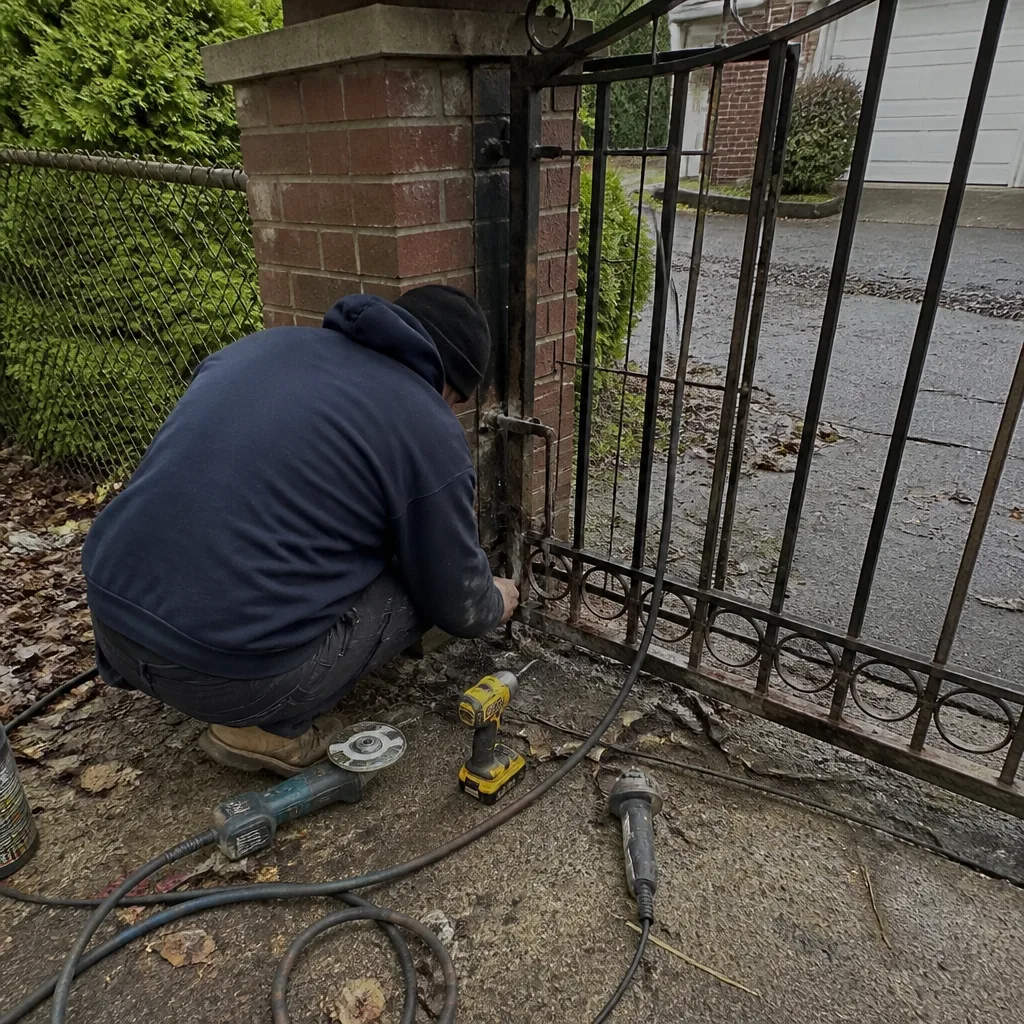 Before
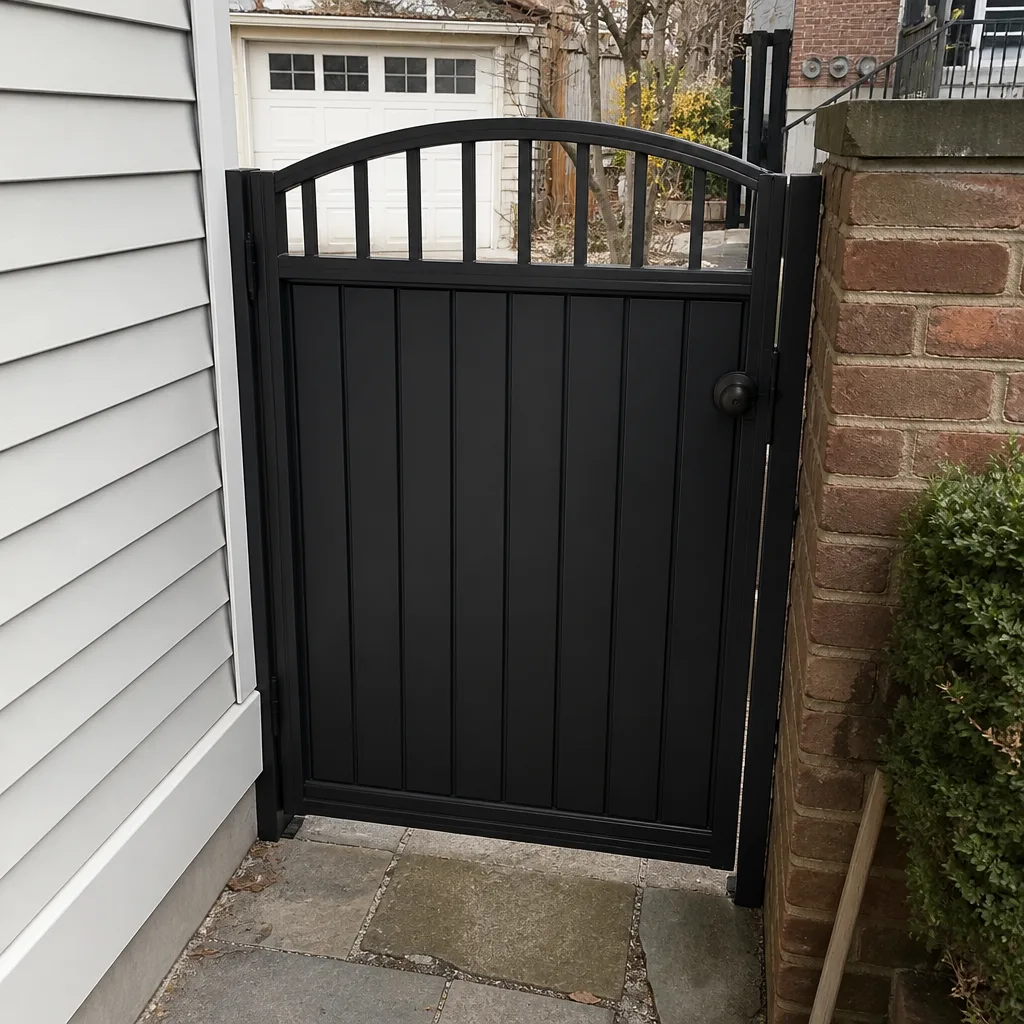 After
After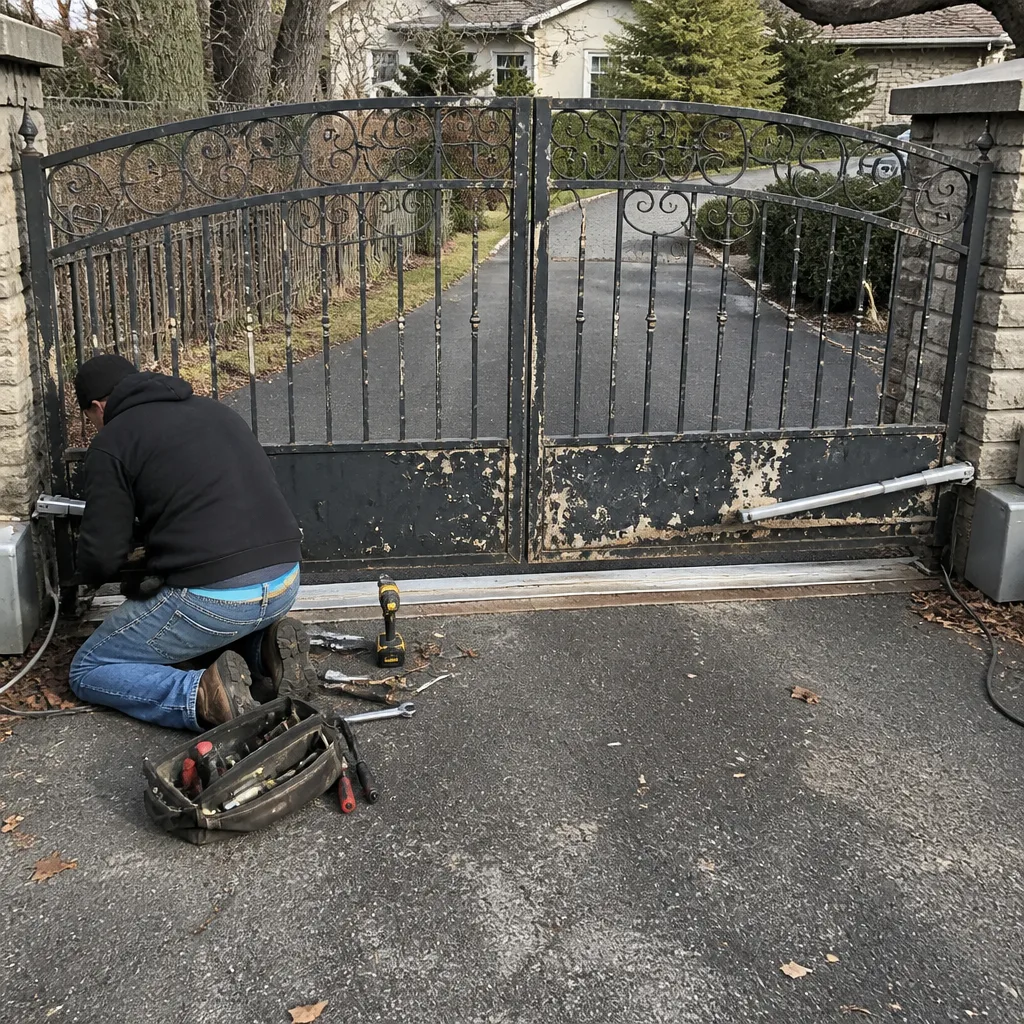 Before
 After
After Before
 After
After