
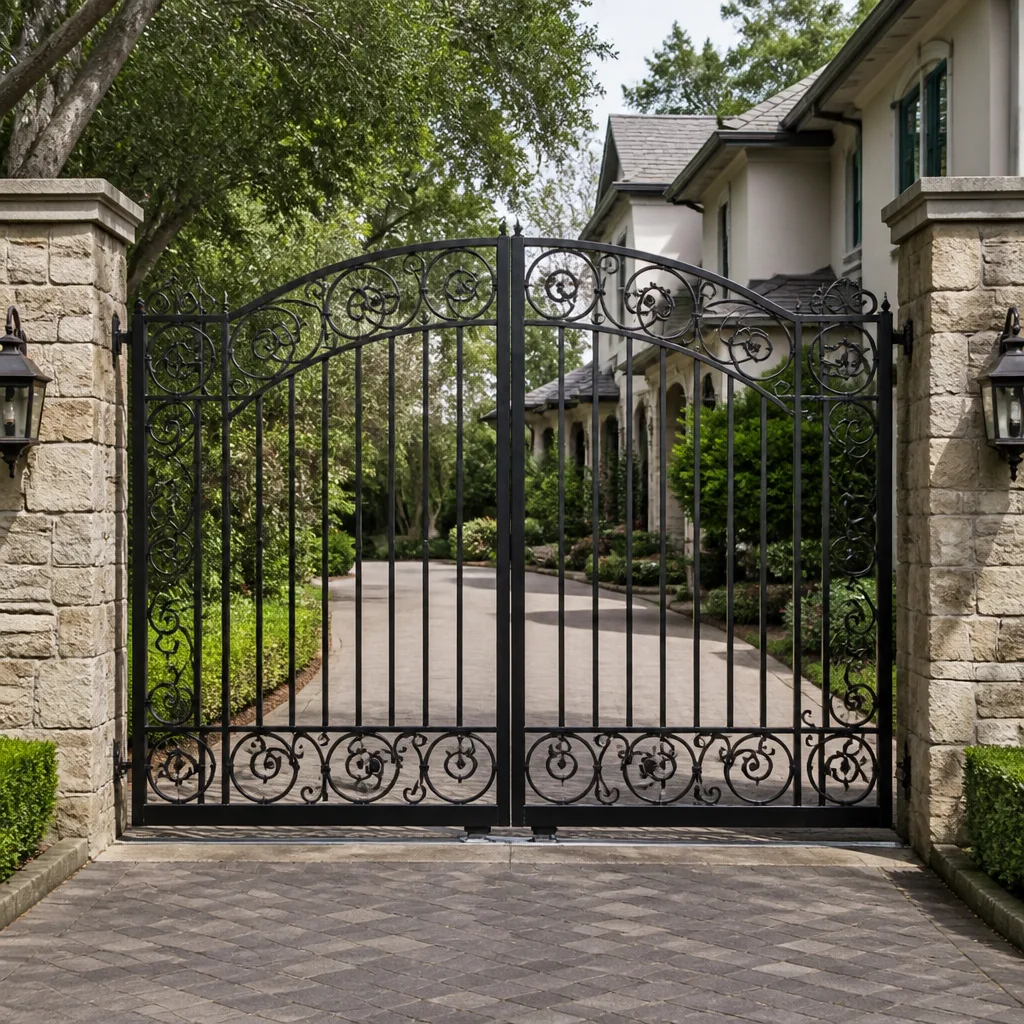
 Wrought iron
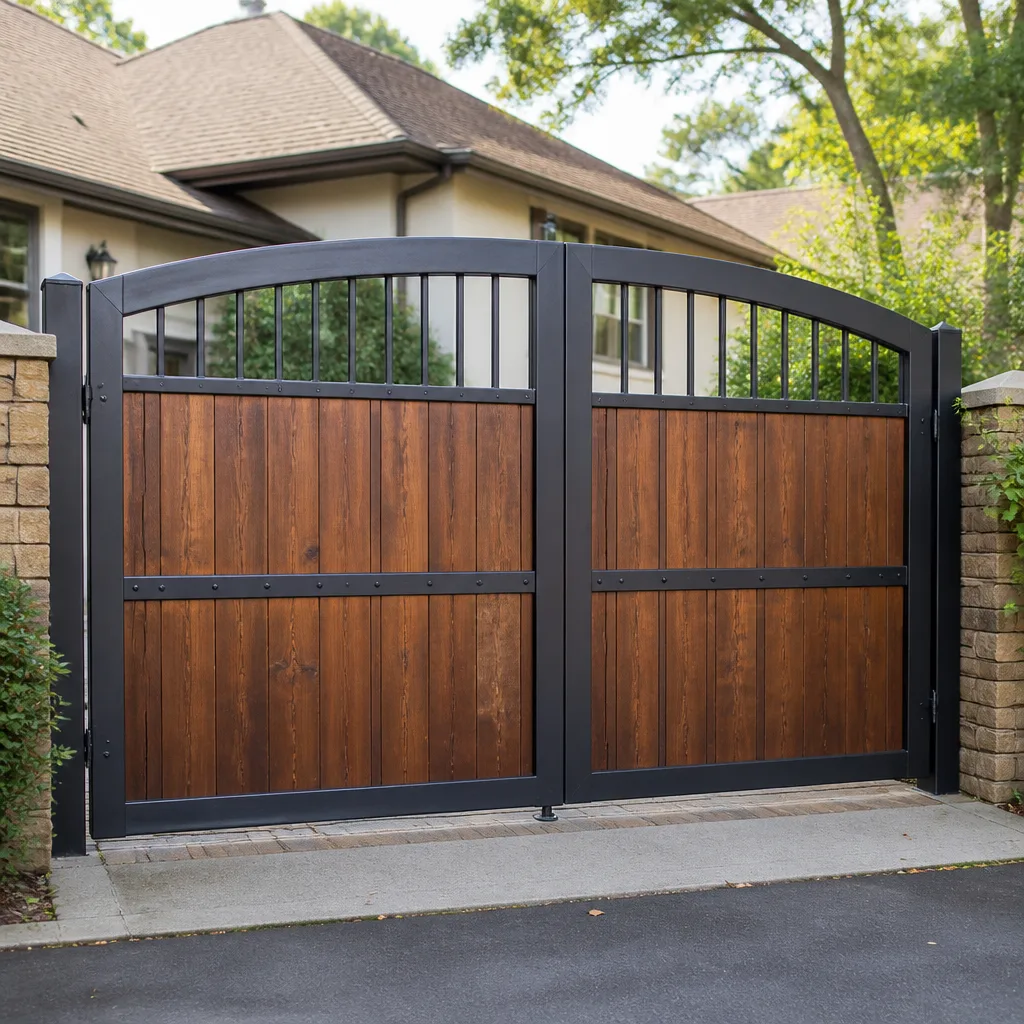 Wood & steel frame
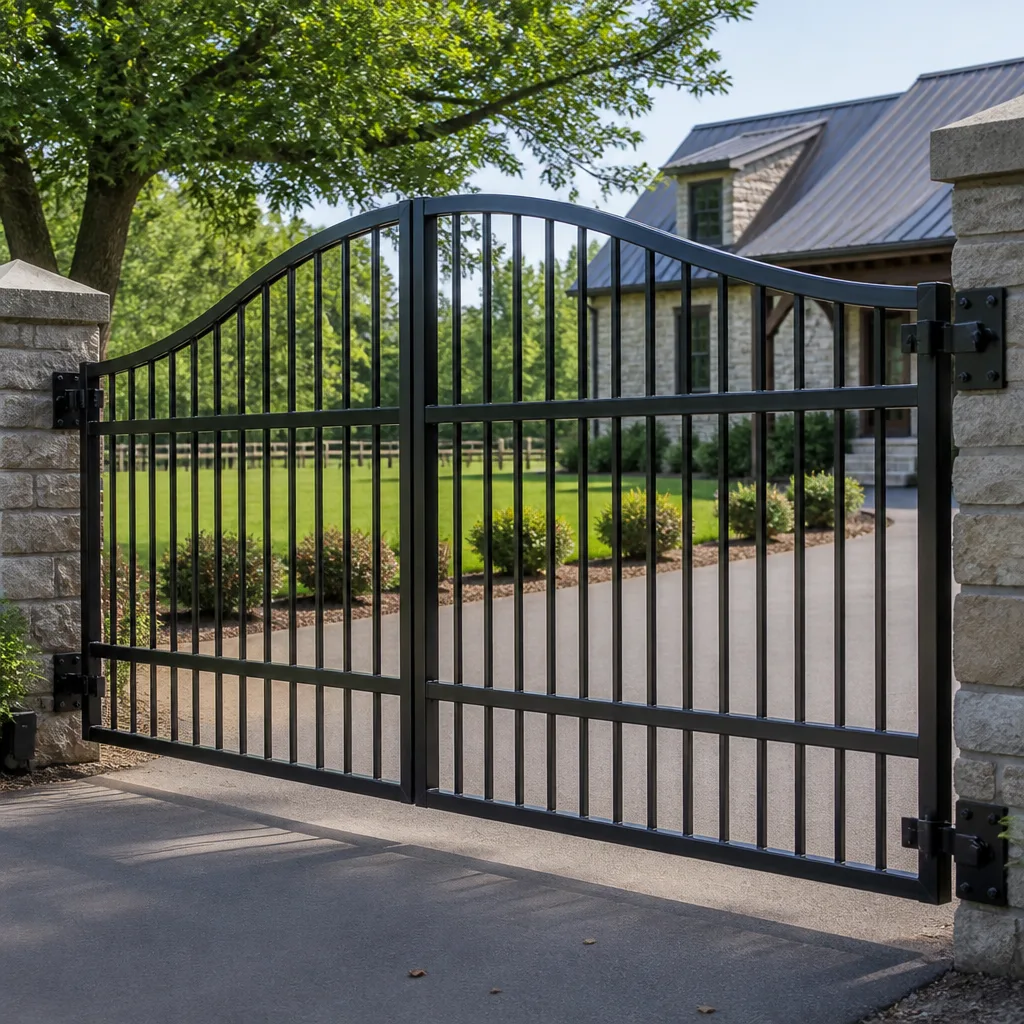 Farm & ranch
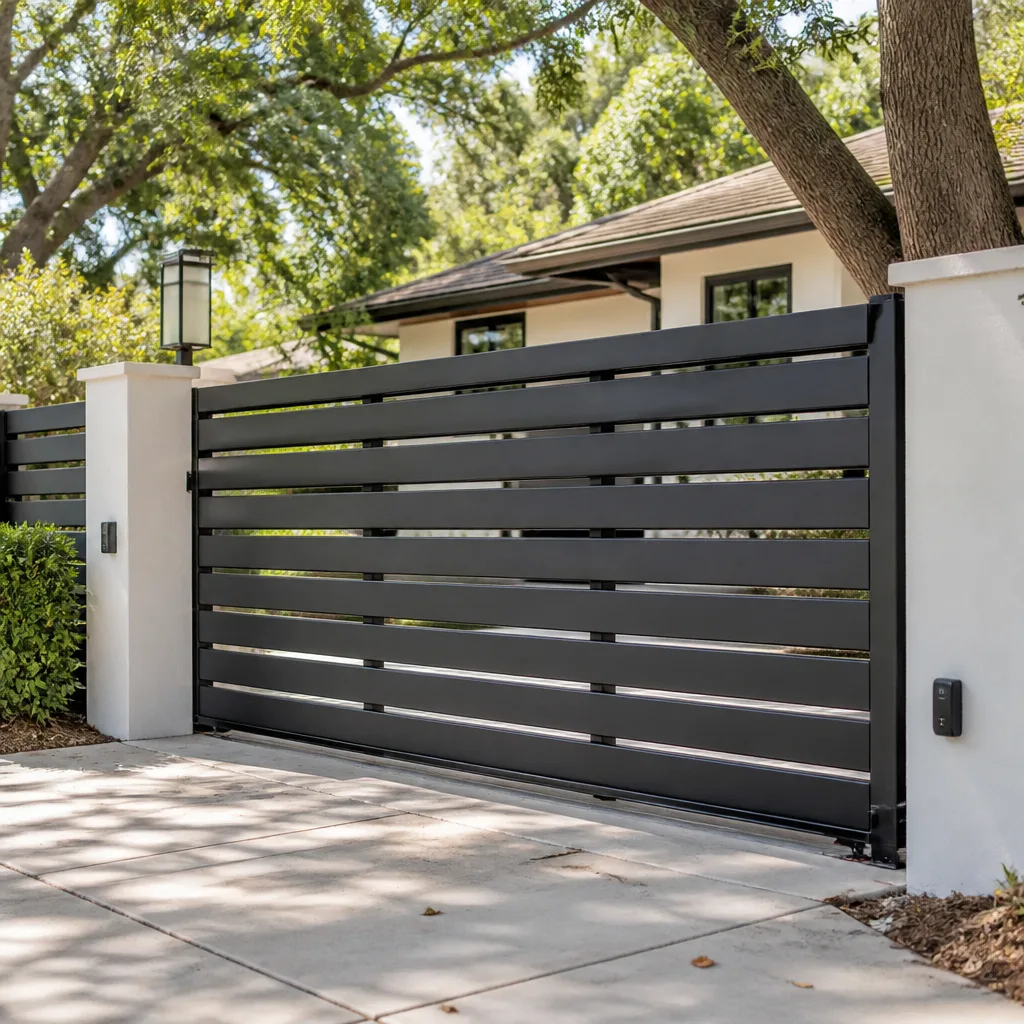 Sliding driveway gates
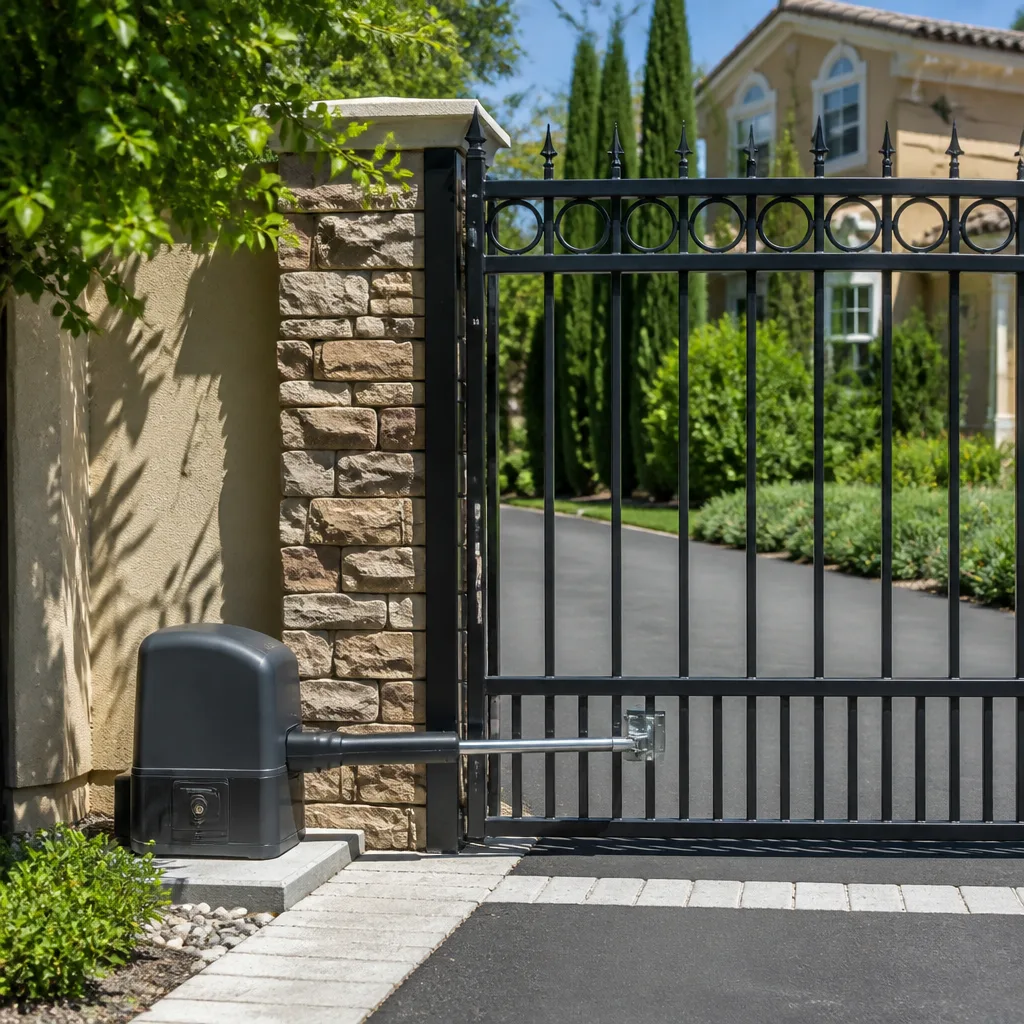 LiftMaster operators
Free on-site gate assessment - hinges, posts, and your LiftMaster or Nice gate operator checked before anything is quoted
The assessment is free and the quote is the invoice.
Get your free estimateViking Access Control Installation: The New York Owner’s Guide
We install Viking access control systems across New York for homeowners and commercial properties, with most complete installations running between $2,400 and $6,800 depending on the model, wiring distance, and whether you’re adding keypads, card readers, or vehicle detection loops. We stock Viking-compatible parts on our trucks and can typically dispatch to any of the five boroughs within one business day once we’ve confirmed your system specs. Most owners call us after the gate stops responding to the keypad, the intercom goes silent, or the system intermittently refuses to open, even though the operator itself still runs fine.
Viking access control is the brain of your gate system, separate from the motor itself. When it fails, the gate either locks you out or leaves your property open to anyone with a fob, which in a city like New York is the difference between a nuisance and a real security problem. The good news is that Viking builds its control boards and accessories with repair-friendly modular design, so we can often replace a single failed component rather than the entire system.
Which Viking Models This Applies To
Viking offers a wide selection of access control equipment, and the installation approach differs by line. The most common systems we work on in New York include the C-1000 and C-200 entry phones, which integrate with nearly any gate operator, and the E-1600 and E-30 series emergency phones often found at commercial driveway entrances. Viking’s K-1900 series keypads and the DLE-200B and DLE-300 line of door entry systems are also frequent service calls for us, particularly on multi-tenant residential gates in Queens and Brooklyn.
Identifying your Viking model matters because not every board is cross-compatible. The model and serial number are printed on a silver label inside the enclosure, usually on the right side of the board. If the label has faded, we can identify the unit by the terminal layout and the connector type. Here’s the key compatibility gotcha: Viking’s C-2000B entry phone controller uses a different mounting footprint and wiring configuration than the older C-200, and they are not interchangeable without replacing the backplate and re-terminating the low-voltage wiring. We see this exact mismatch on older New York buildings where the original system dates back 15 or 20 years and someone swapped in a newer board expecting it to drop right in.
For OEM versus aftermarket, we’re careful here. Viking boards are built for outdoor and semi-outdoor installations, with conformal coating on the circuit board to resist humidity. That coating is a big deal in New York, where summer humidity and winter freeze-thaw cycles push moisture into every enclosure. Cheap aftermarket boards skip the coating, and we’ve replaced failed aftermarket boards that died within two years in coastal areas like the Rockaways. For mission-critical Viking components like the main control board, we strongly recommend OEM. For peripheral items like keypads and power supplies, a quality aftermarket equivalent from a brand like Altronix or Seco-Larm often performs just as well and saves you $80 to $200.
Styles & brands we work with
Signs Your Viking Access Control Installation Is Failing
- Keypad accepts the code but the gate doesn’t move. This usually points to a failed relay on the access control board or a broken wire between the keypad and the operator. The keypad is talking, but the signal isn’t reaching the motor.
- Intercom buzzes or rings but you can’t hear the visitor, or they can’t hear you. On Viking C-1000 and C-200 systems, this is typically a failed audio transformer or a shorted speaker wire. Sometimes it’s just a corroded terminal block from moisture intrusion.
- The gate opens on its own or fails to close. A sticking relay or a failing loop detector on the Viking board can cause phantom open commands. In New York, where wind and street vibration constantly work on gate hardware, we also check for shorts in the underground loop wiring first.
- Card reader beeps but the gate ignores it. This often means the Wiegand communication between the reader and the Viking controller has dropped. The reader may be fine; the controller’s input circuit is the usual suspect.
- System works during the day but fails at night. Cold solder joints and aging capacitors on older Viking boards often show themselves when temperatures drop. If your gate works fine until the temperature falls below 40 degrees, the board is usually the culprit, not the motor.
See the difference
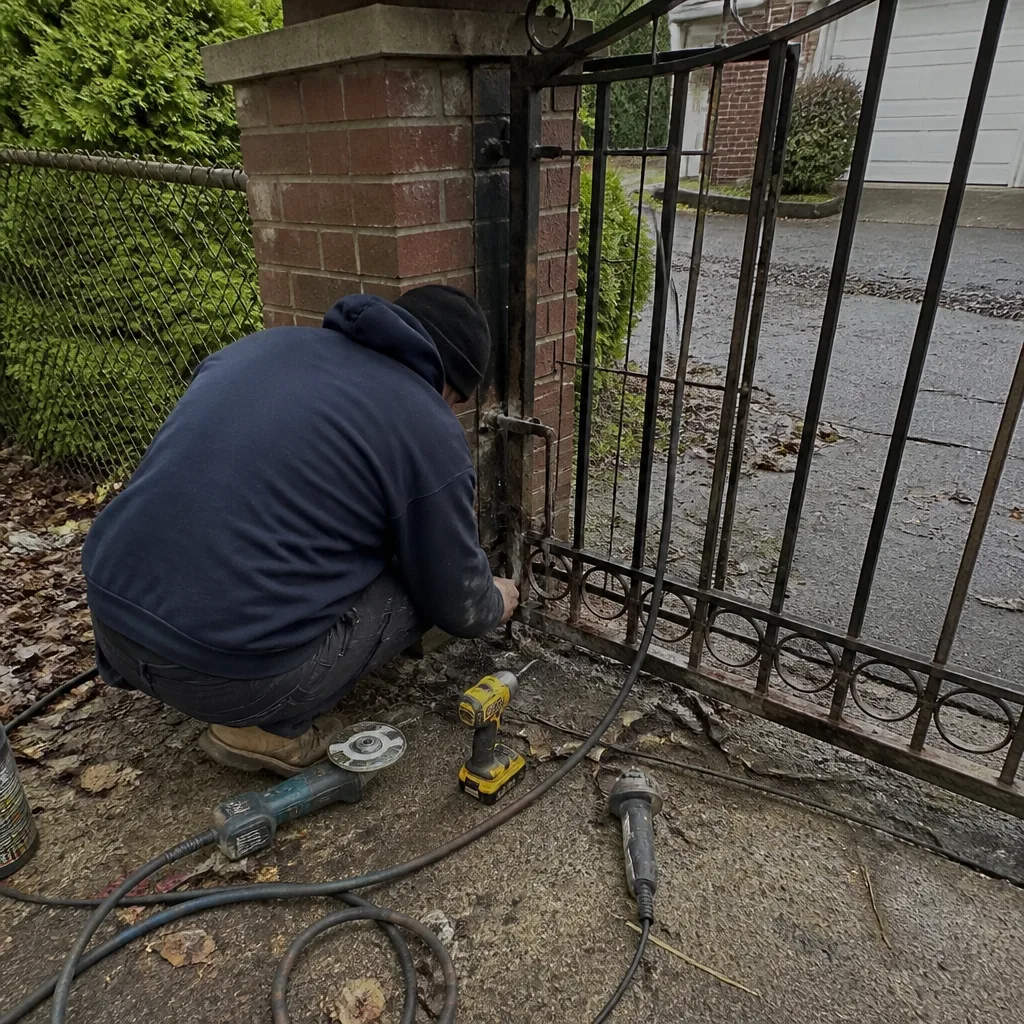 Before
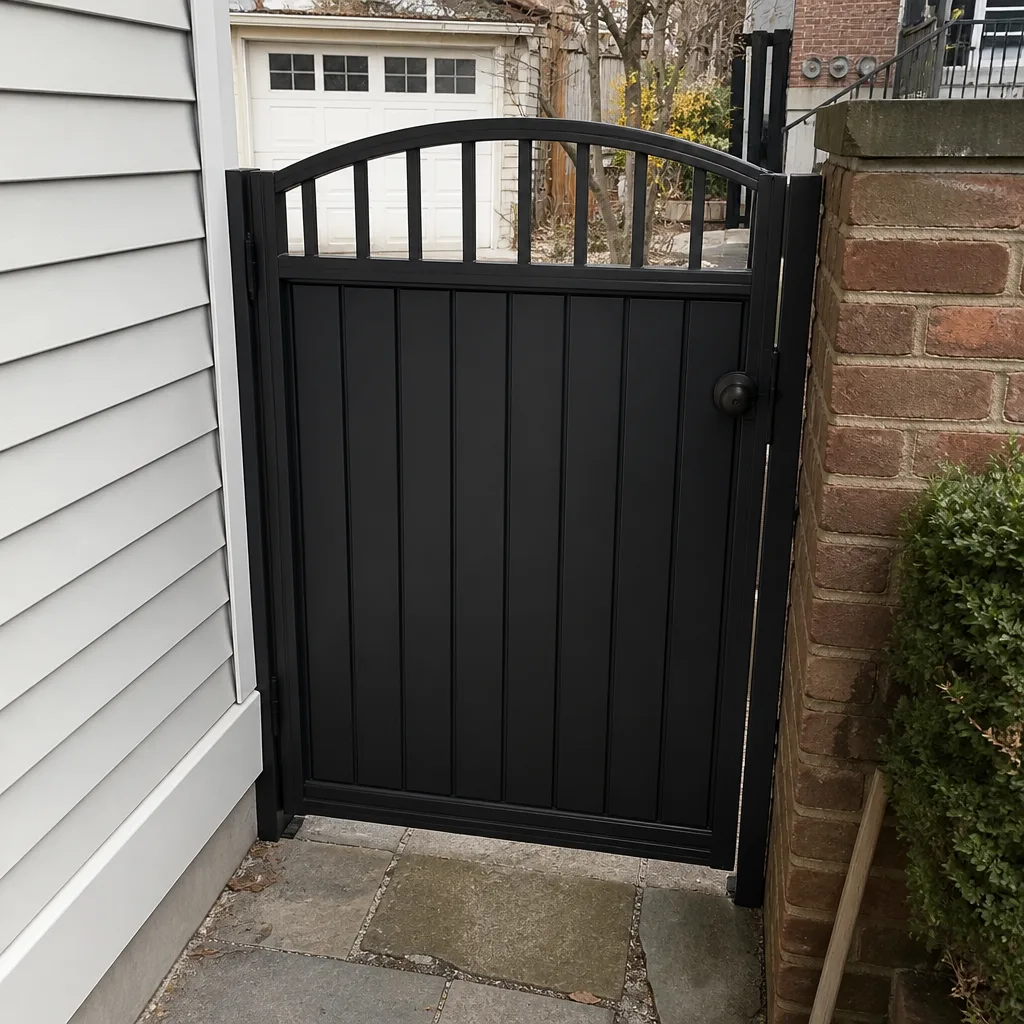 After
After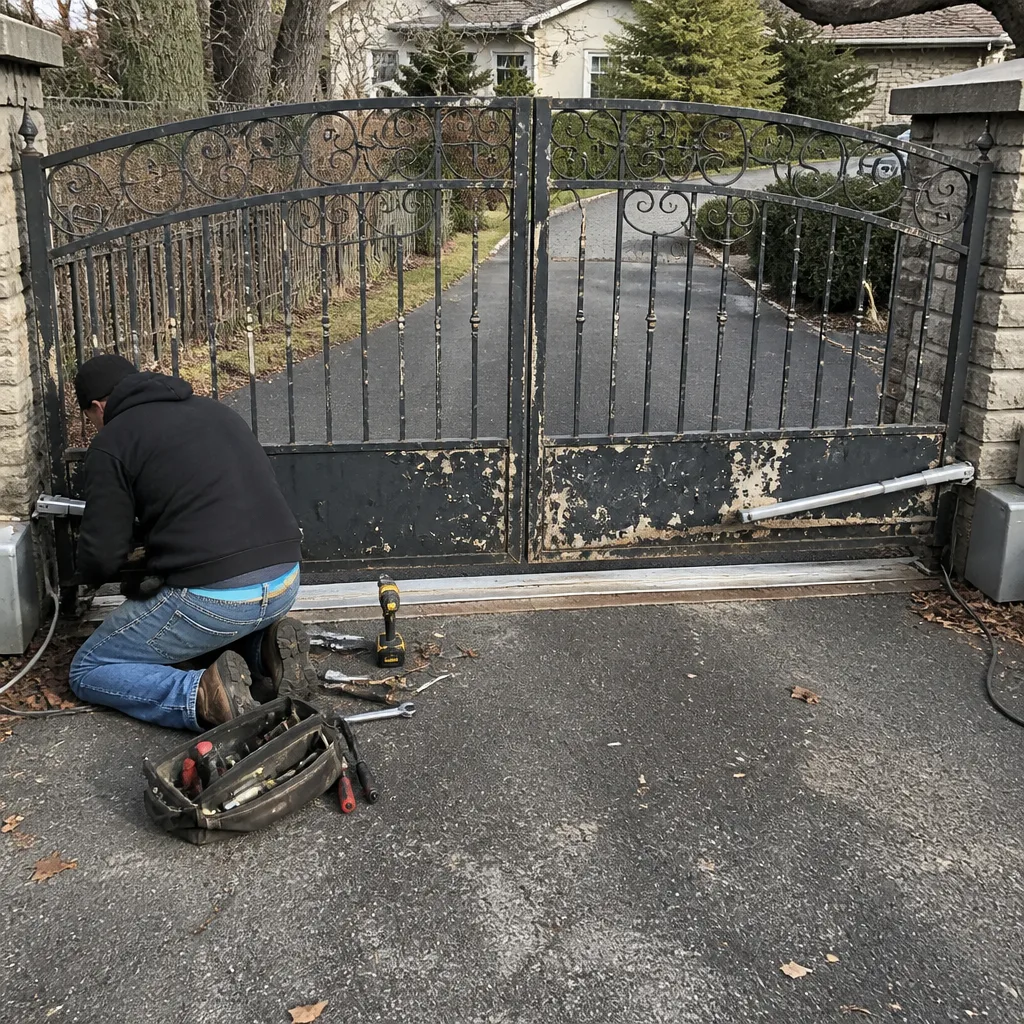 Before
 After
After Before
 After
AfterReplacement Cost & What’s Included
In New York, a single Viking component replacement like a keypad or entry phone typically runs $350 to $900 installed, including the part, wiring, and programming. A full access control installation with a new Viking controller, keypad or card reader, power supply, and integration with your existing gate operator runs $2,400 to $6,800. If you’re adding vehicle detection loops, expect another $600 to $1,200 per loop depending on the driveway surface and whether we’re saw-cutting asphalt or concrete.
Every quote we give in New York is written, itemized, and agreed to before we start work. You’ll see the price of the Viking part, the labor, and any small hardware like terminal blocks or wire connectors broken out separately. We don’t hide parts markups in the labor line or add a vague “miscellaneous” charge. And every installation carries our 365-Day Done Right Promise: if the access control system fails within a year of our work, we return and fix it at no charge.
DIY or Call Us?
You can safely check a few things before calling us: confirm the breaker or low-voltage power supply hasn’t tripped, visually inspect the keypad and enclosure for obvious water damage, and note whether the system fails consistently or only in certain weather. That information helps us diagnose the problem before we even arrive.
What you should not attempt is rewiring a Viking board or replacing a relay yourself. Viking systems run low-voltage control wiring, but the gate operator they control carries 120V or 240V, and a miswired relay can send line voltage somewhere it doesn’t belong. We’ve seen boards with melted terminal blocks from DIY attempts that started as a simple keypad swap. If you’re not sure which wires carry what, call (845) 259-0242. Tell me what the gate is doing, or not doing, and I’ll give you a real number before we hang up.
FAQs
A properly installed Viking system in New York typically lasts 10 to 15 years before the board or keypad needs replacement. The main factors that shorten lifespan here are moisture intrusion from coastal humidity, freeze-thaw cycling on outdoor enclosures, and voltage spikes from our aging electrical grid.
Sometimes, yes. Failed relays, blown capacitors, and corroded terminal blocks can often be repaired at the component level, which costs $150 to $400 instead of $600 to $1,200 for a new board. Dean Prescott has been doing board-level Viking repairs for years and will tell you honestly if a repair makes sense or if you’re better off with new equipment.
A single-component replacement like a keypad or entry phone takes one to two hours on site. A full access control installation with new controller, reader, and wiring typically takes four to six hours, and we’ll give you a real arrival window before we show up.
We keep common Viking keypads, power supplies, relays, and entry phone components on our trucks, along with parts for LiftMaster, Mighty Mule, and Ghost Controls systems. If your specific Viking board isn’t on the truck, we can typically have it in hand within one to two business days through our local suppliers.
Written by Dean Prescott, Owner, Portcullis Gate Repair New York at Portcullis Gate Repair New York, serving New York and nearby areas.